The Three Themes of the Mass in the Story of God’s Love
The history of Christ’s victory: the King appears, a great procession, a great banquet, from the Gospel back to Adam, Moses, David and the prophets.
Awaiting review A priest has not yet reviewed this article. Read it alongside the Catechism paragraphs it cites, and take questions to your parish.
The history of Christ’s victory
From the beginning of the Bible to its end, God builds his relationship with us in a pattern.
The author invites you to meditate on the following events when you take part in the Mass.
The Gospel of Jesus Christ
The birth of Jesus
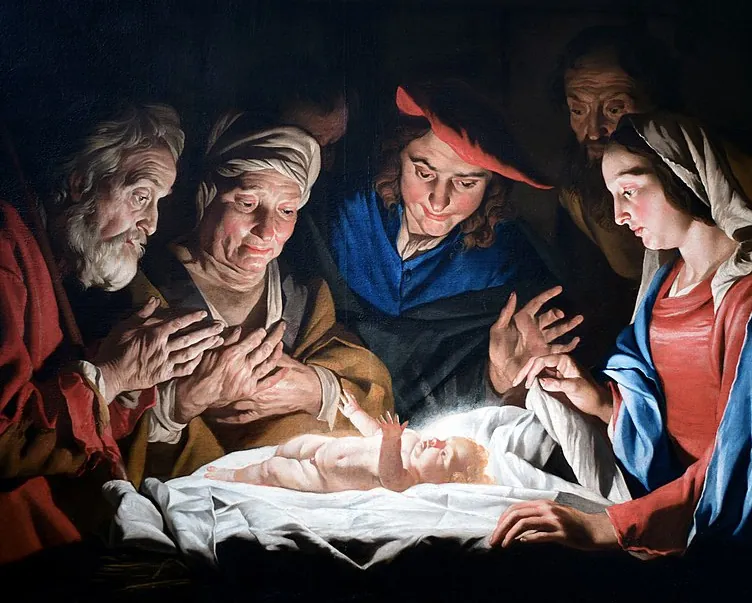
Epiphany / The appearing of the King:
- The birth of Jesus is announced to several people
- Mary: “you will ... bear a son, and you shall call his name Jesus. He will be great, and will be called the Son of the Most High.” (Luke 1:31-32)
- The three Magi: “Where is he who has been born king of the Jews? For we have seen his star in the East, and have come to worship him.” (Matthew 2:2)
- The shepherds: “is born ... a Savior, who is Christ” (Luke 2:11)
The great procession:
- Mary: sings the Magnificat (Luke 1:46-55)
- The three Magi: “they went their way ... they fell down and worshiped him. ... they offered him gifts, gold and frankincense and myrrh.” (Matthew 2:9-11)
- The shepherds: “they went with haste, and found Mary and Joseph, and the babe” (Luke 2:16)
The wedding feast / The great banquet:
- The birth of Jesus: the marriage of the nature of God and the nature of man in the one whose name is Jesus Christ.
- “The Word of God became man so that we might be made divine” (CCC 460)
Jesus enters Jerusalem (Palm Sunday)
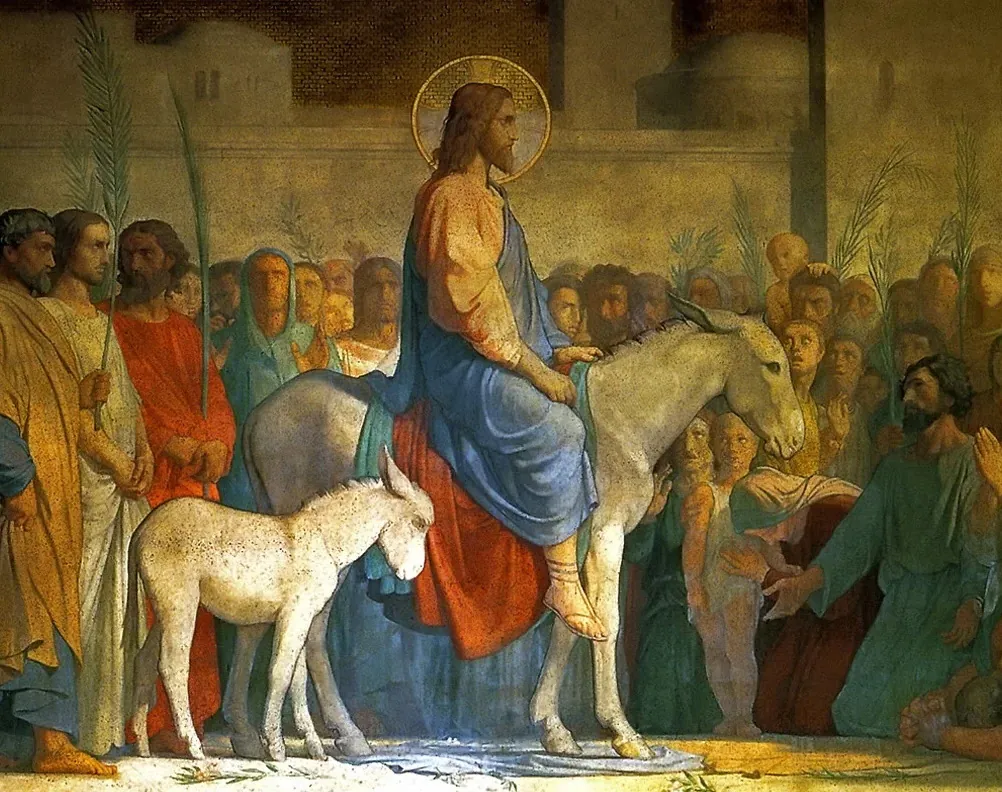
Epiphany / The appearing of the King:
- Jesus appears at Bethphage and Bethany.
- Bethphage means “house of unripe figs”. The unripe fig is a symbol of cosmic judgement (Revelation 6:13, Isaiah 34:4) and of new creation (Song of Songs 2:13). Bethany means “house of affliction”
- Symbolically: Jesus will freely take on the consequences of divine judgement for our sins, and establish a new creation for us, before he returns to heaven with us.
- The real form of these two things is the sacrament of Baptism (new birth) and the sacrament of the Eucharist (sacrifice)
The great procession:
- Jesus rides a donkey, carried in procession with palm branches and over the people’s cloaks.
- The donkey: foretold by Zechariah, a symbol of majesty (Zechariah 9:9)
- Palm branches: a symbol of praise and victory (Leviticus 23:40, 1 Maccabees 13:51)
- The cloaks laid down: a sign of submission to the King (2 Kings 9:13)
The wedding feast / The great banquet:
- Jesus enters Jerusalem
- Jerusalem: a symbol of God’s bride (Isaiah 62:4-5, Isaiah 54:5-6, Jeremiah 2:2, Ezekiel 16, Revelation 21:2, 9-10)
The Passion of Jesus (The Passion of the Christ)
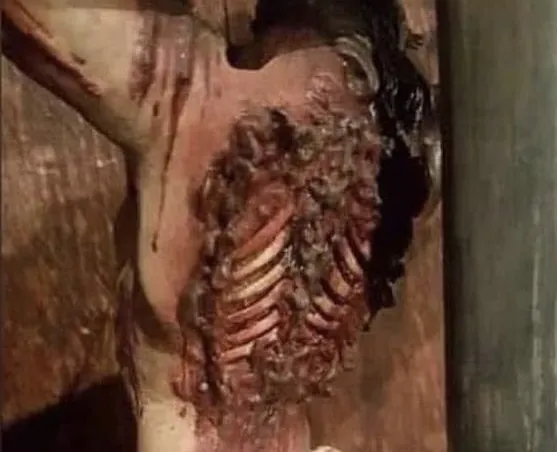
Epiphany / The appearing of the King:
- When Pilate announces: Ecce Homo (Behold the Man):
- Jesus is crowned with thorns (a crown → a royal object)
- Jesus wears a purple robe (the royal colour)
- Jesus appears as the King of all who suffer
- Jesus appears as the new Adam (the biological “king” of all mankind), healing the shame of the old Adam after his sin by freely enduring that shame before men.
The great procession:
- The Way of the Cross: Jesus walks in a procession of mockery and insult, but also of hands and tears.
- Jesus is given a royal title by Pontius Pilate → INRI (Jesus of Nazareth, King of the Jews)
The wedding feast / The great banquet:
- Before Jesus died on the cross, he said “It is finished” (John 19:30), in Latin “Consummatum est”. The word is identical to the union of husband and wife in marriage.
- Adam “gave birth” to his bride (Eve) from his side
- The new Adam (Jesus Christ) was pierced in his side. In this way he “gave birth” to his bride: the Church (1 Corinthians 12:27)
The Old Testament
Adam
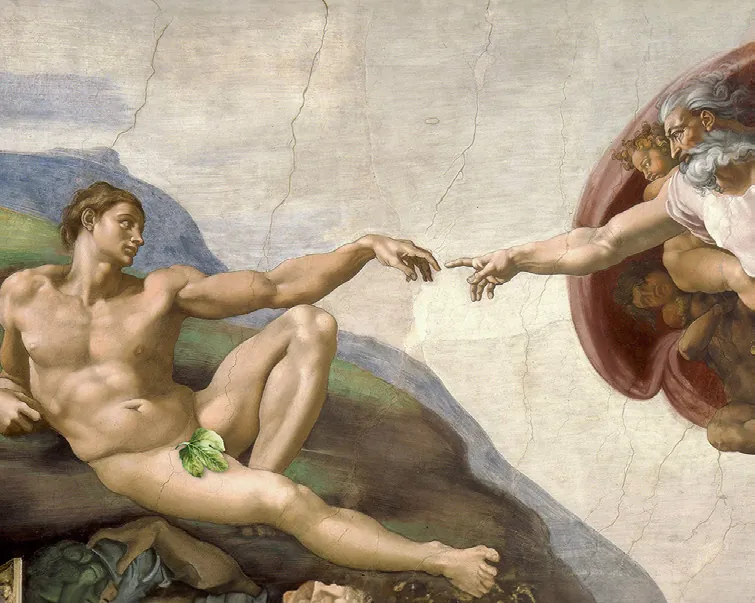
Epiphany / The appearing of the King:
- God appears as the Creator-King. By speaking his word as a King does, he makes all things. (Genesis 1:3,6,9,11,14,20,24,26)
- Adam is created by the Lord as a king: “fill the earth and subdue it; and have dominion ... over every living thing that moves upon the earth” (Genesis 1:28)
The great procession:
- Adam is put in the garden of Eden “to till it and keep it.” (Genesis 2:15)
- The words “till and keep” in Hebrew are abad (עָבַד) and shamar (שָׁמַר). They often appear in the context of the worship of priests (Deuteronomy 4:19, Numbers 3:7-8, 8:25-26, 18:5-6)
- So Adam works to glorify God in majesty
- All creation makes a great procession before Adam as the “image of God”: the Lord brings every animal before Adam, and Adam names them one by one.
The wedding feast / The great banquet:
- Adam may eat the fruit of every tree “freely”, like a banquet.
- God did not forbid Adam to eat from the tree of life before he sinned. That means God planned to “marry” (walk together and be united with) Adam and Eve for ever
Noah
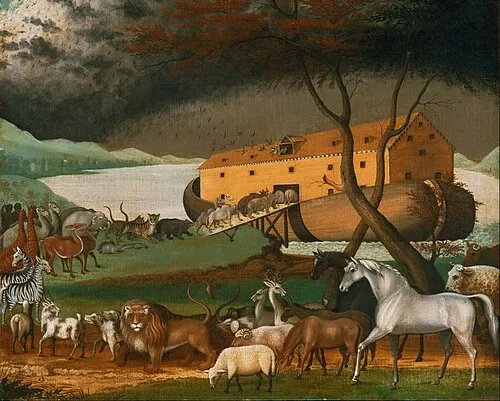
Epiphany / The appearing of the King:
- God appears as the King who judges. By speaking his word as a King does, he judges the wickedness that has filled the whole earth. (Genesis 7)
- Noah appears as a leader, like a king. Noah also has the qualities of Jesus Christ, King of the universe.
- Noah is “a herald of righteousness” (2 Peter 2:5).
- Noah becomes a mediator between God and man
The great procession:
- After the flood covers the earth, Noah is commanded to lead out what was in the ark in order of rank, like a royal procession (Genesis 8:16).
- Then Noah offers burnt offerings of every animal, a great act of praise & worship.
The wedding feast / The great banquet:
- God makes his covenant with Noah with the sign of a rainbow.
- The rainbow is the word qeshet (קֶשֶׁת), which in the Bible means “bow”. The Indonesian Bible uses “bow” in the verse concerned*
- The rainbow, a bow pointing to the sky, symbolises that man can once again “shoot” / move towards union with God.
- “I set my bow in the cloud, and it shall be a sign of the covenant between me and the earth” (Genesis 9:13)
* Pontifical Biblical Institute
Abraham
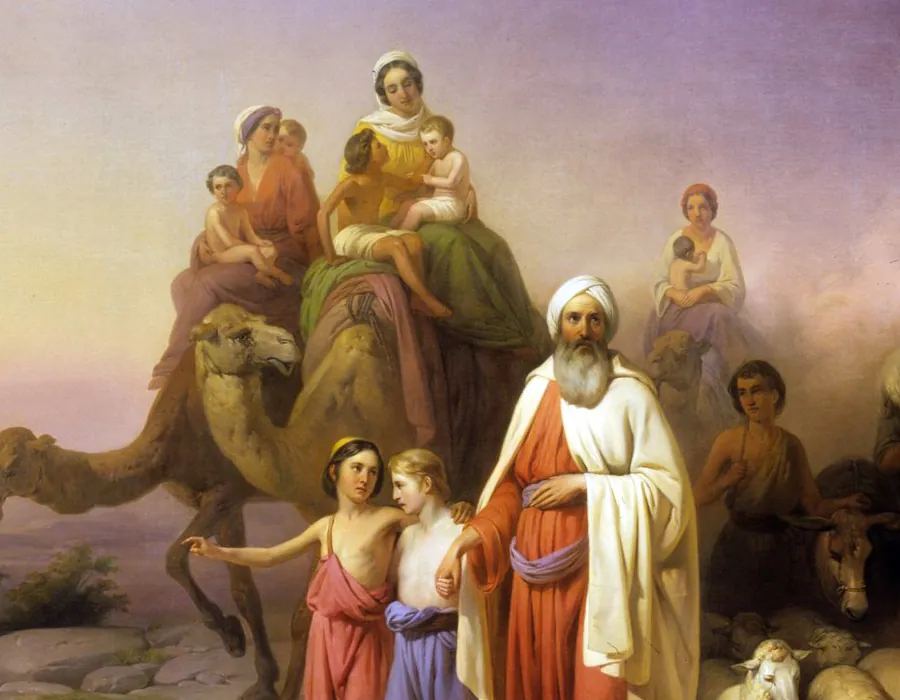
Epiphany / The appearing of the King:
- Genesis 14: God is present in the figure of Melchizedek, the priest-king.
- Melchizedek is called “king of righteousness” and “king of peace”. He is also “without genealogy, and has neither beginning of days” (Hebrews 7:2-3)
- Genesis 18: God appears directly as a figure, together with 2 others.
The great procession:
- Genesis 14: Abraham returns with the spoils of his victory in battle:
- “Then he brought back all the goods, and also brought back his kinsman Lot with his goods, and the women and the people.” (Genesis 14:16)
- Abraham also gives a tithe to Melchizedek. (Genesis 14:20)
- Genesis 18: Abraham welcomes them with majesty
- Runs to meet the three angels, and bows down. (Genesis 18:2)
- Offers to wash their feet and let them rest. (Genesis 18:4)
- Gives them bread and the best calf (Genesis 18:5-8)
The wedding feast / The great banquet:
- Genesis 14: Melchizedek comes bringing bread and wine, two things that belong to a banquet.
- Genesis 18: God and the 2 figures “eat” the food Abraham provides → man’s banquet in the Lord
Moses
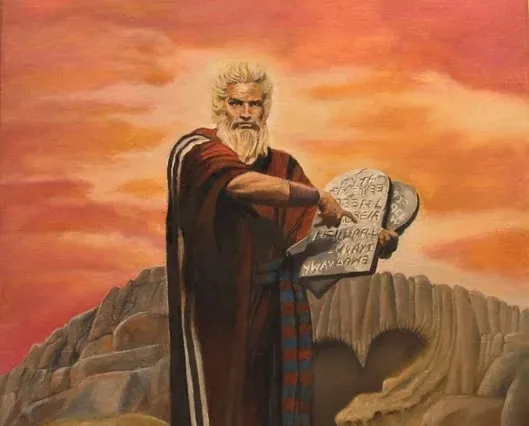
Epiphany / The appearing of the King:
- God is present in awesome power in “a thick cloud” (Exodus 19:9), thunder, lightning, the sound of the trumpet (Exodus 19:16), fire and smoke that shake Mount Sinai (Exodus 19:18).
- Moses alone becomes the mediator for the whole people of Israel, as a king is one man. (Exodus 19:3-6, Deuteronomy 5:5)
The great procession:
- Moses goes up and down Mount Sinai to speak with God (Exodus 19:3,7,8,14,20)
- God says to Moses, “Come up to the LORD, you and Aaron, Nadab, and Abihu, and seventy of the elders of Israel, and worship afar off.” (Exodus 24:1)
- As with Noah, God asks Moses to lead a procession in order of rank, as in a royal procession: Moses first, then his sons, and the seventy elders.
The wedding feast / The great banquet:
- Moses then sprinkles the altar, and the people present, with “the blood of the covenant which the LORD has made” at Mount Sinai (Exodus 24:8)
- Without the blood of the covenant → to approach God means death
- With the blood of the covenant → “they beheld God, and ate and drank” (Exodus 24:11)
- Eating and drinking in the presence of God → banquet & union
Joshua
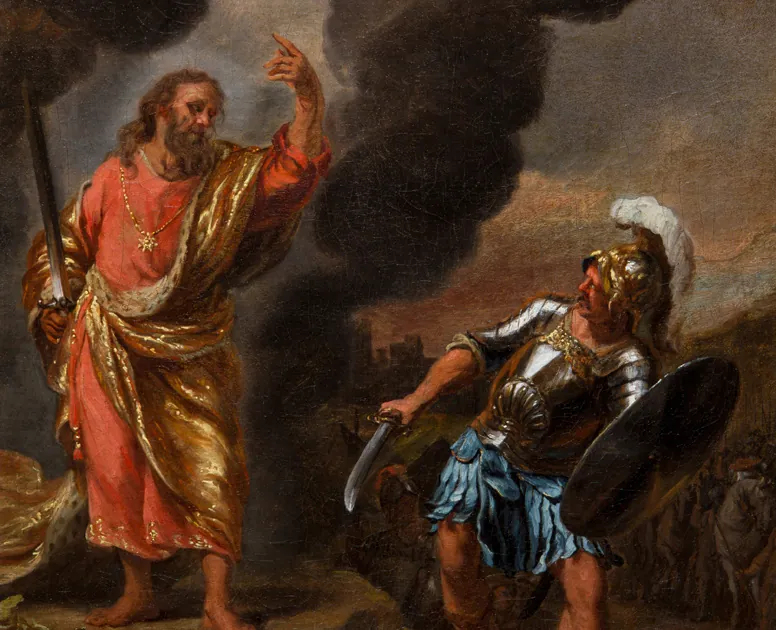
Epiphany / The appearing of the King:
- Joshua is raised up by the Lord as Israel’s leader after Moses: “This day I will begin to exalt you in the sight of all Israel.” (Joshua 3:7)
- Joshua resembles Jesus:
- The same name: Yehoshua (יְהוֹשֻׁעַ): “the Lord saves”
- Joshua is the prophet after Moses for a short time → Jesus Christ is the prophet like Moses for ever.
- Joshua leads Israel across the river Jordan into the promised land → Jesus leads the new Israel across death into eternal life
The great procession:
- The people of Israel cross the Jordan, led by the Ark of the Covenant carried by the Levitical priests. (Joshua 3:3)
- The Ark of the Covenant is God’s “footstool” (1 Chronicles 28:2, Psalm 99:5) → God leads the people of Israel as King
- When the Ark of the Covenant moves towards the river, the Jordan is parted → nature bows to the Lord, King of the universe.
The wedding feast / The great banquet:
- Banquet: the people of Israel keep the Passover, eating unleavened bread and parched grain from the land of Canaan (Joshua 5:10-11)
- Union: the manna, their food for survival, stops → the people of Israel have received God’s promise.
King David
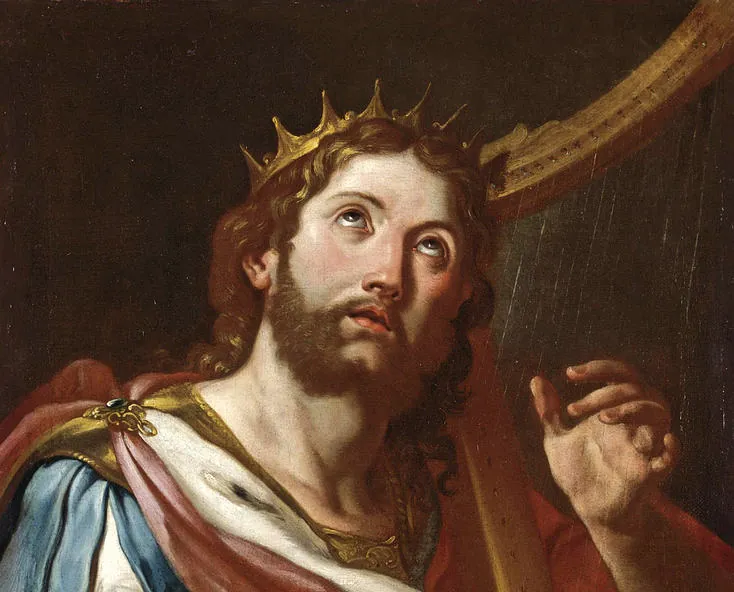
Epiphany / The appearing of the King:
- David is anointed king (1 Samuel 16:1-13)
- David appears unexpectedly and humbly, like Jesus: “He was in the world, ... yet the world knew him not.” (John 1:10)
- David is anointed with oil before he becomes king, as Jesus was anointed by Mary Magdalene before he was crowned with thorns.
The great procession:
- King David’s life is full of the theme of the great procession
- David gathers followers after leaving Saul’s court, losing his position and his wife Michal (1 Samuel 18:27). Christ too gathers his disciples after being rejected in Nazareth.
- David wanders in the wilderness, in caves and in Philistine territory with his followers (1 Samuel 23-30).
- King David brings the Ark of the Covenant up to Jerusalem with 30,000 men (2 Samuel 6:1), dancing to the music of “lyres and harps and tambourines and castanets and cymbals” (2 Samuel 6:5)
The wedding feast / The great banquet:
- Banquet: David gives “a cake of bread, a portion of meat, and a cake of raisins” to all the people of Israel (2 Samuel 6:19)
- Union: David restores the dignity of Mephibosheth, the son of his enemy (Saul). “So Mephibosheth ate at David’s table, like one of the king’s sons” (2 Samuel 9:11)
The Psalm of the Cross (22)
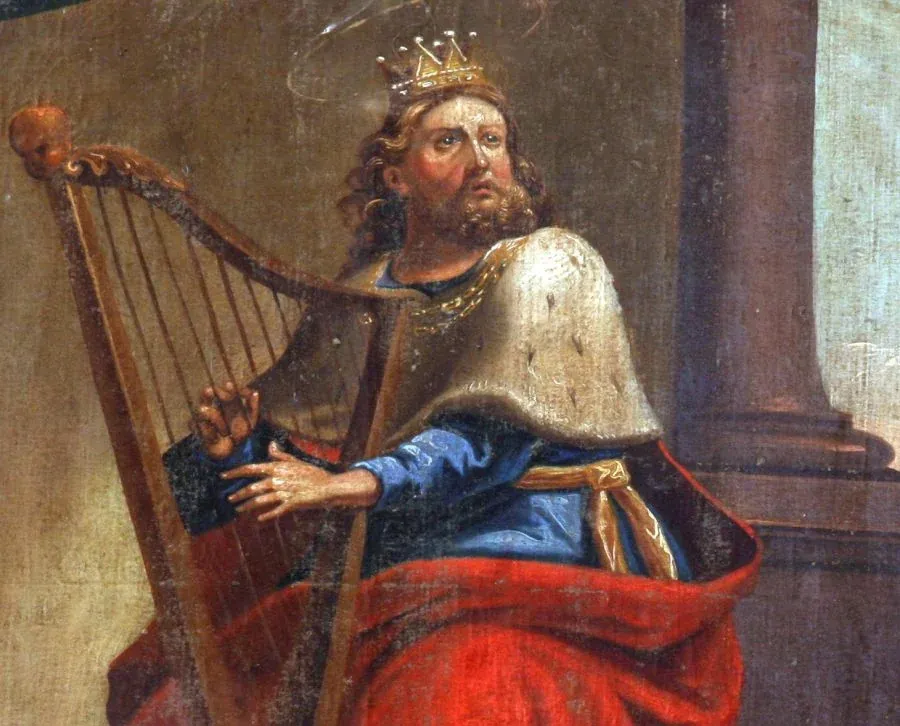
Epiphany / The appearing of the King:
- “Eli, Eli, lama sabachthani” (My God, my God, why hast thou forsaken me?, Psalm 22:1, Matthew 27:46)
- David sings this psalm
- God appears as the subject of the song
- Jesus too, before he gave up his life on the cross, sang the first verse of this psalm (Psalm 22:1)
The great procession:
- A psalm is itself a song
- Psalm 22:1-18 → Temporary defeat: the sufferings of a servant.
- Psalm 22:19-30 → Eternal victory: praise full of hope in the Lord, who will win in the end.
The wedding feast / The great banquet:
- Banquet: “The afflicted shall eat and be satisfied” (Psalm 22:26)
- Union: Psalm 22:26-30 declares that the Lord will win in the end, establish justice and show his faithfulness to all nations.
King Solomon: the dedication of the Temple
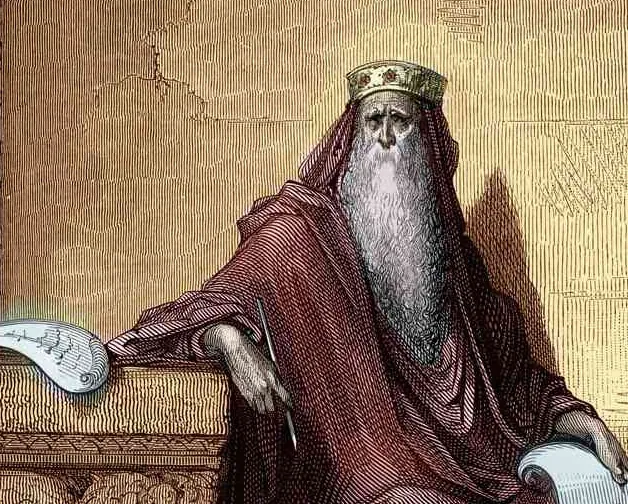
Epiphany / The appearing of the King:
- King Solomon appears, assembling all the people of Israel (1 Kings 8:1)
- God is present in his glory (1 Kings 8:10-11)
The great procession:
- Solomon has the priests and Levites carry the Ark of the Covenant into the Temple (1 Kings 8:3-6)
- All Israel sacrifice sheep and oxen “so many that they could not be counted” (1 Kings 8:5)
- Solomon blesses all the people of Israel (1 Kings 8:14-21)
- Solomon prays a long prayer to the Lord before the altar, asking for divine mercy (1 Kings 8:22-53)
The wedding feast / The great banquet:
- Banquet: Solomon offers 22,000 oxen and 120,000 sheep. There are so many that the altar of the Temple cannot hold them. All Israel feasts for 14 days (1 Kings 8:62-64)
- A curious fact: an estimated 6.5 million kg of meat, worth Rp 800 billion, eaten by 450,000 people over those 14 days
- Union: the whole celebration is itself a renewal of God’s covenant with the people of Israel
- After the feast, the Lord accepts Solomon’s prayer and renews his promise to David through Solomon (1 Kings 9:1-9)
King Hezekiah: the last Passover of the twelve tribes of Israel
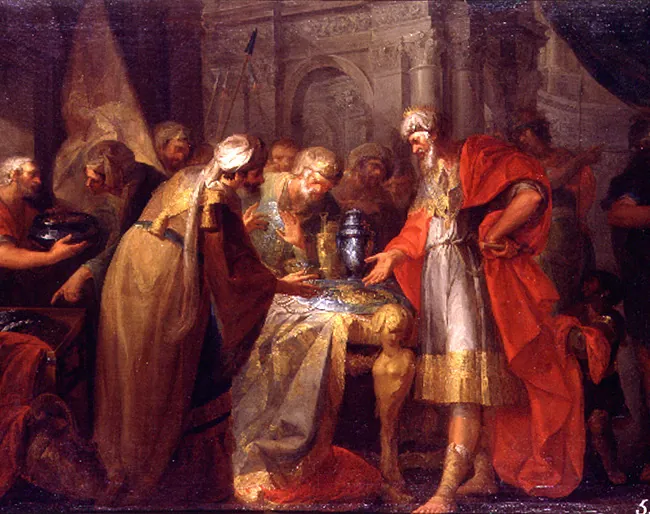
Epiphany / The appearing of the King:
- King Hezekiah appears when he opens the doors of the Temple (2 Chronicles 29:3), which had been shut for 16 years (2 Chronicles 28:24)
The great procession:
- King Hezekiah has the Levites sanctify / reconsecrate the Temple after it was defiled by the unfaithfulness of King Ahaz (2 Chronicles 29:5-11)
- Carrying out all the uncleanness from the Temple (2 Chronicles 29:16)
- Restoring the liturgical vessels that had been discarded (2 Chronicles 29:18)
- Offering burnt offerings (2 Chronicles 29:22,31)
- Singing songs of praise (2 Chronicles 29:27-28)
- King Hezekiah invites the other tribes of Israel, which had broken away from the kingdom of Judah. (2 Chronicles 30:1)
- “A very great assembly!” (2 Chronicles 30:13)
The wedding feast / The great banquet:
- Banquet: all 12 tribes of Israel keep the Passover.
- “So the people ate the food of the festival for seven days...” (2 Chronicles 30:22)
- Union: “their voice was heard, and their prayer came to his holy habitation in heaven” (2 Chronicles 30:27)
- The Lord turns from “his fierce anger” to compassion, as in the story of Noah
The prayer of the prophet Isaiah
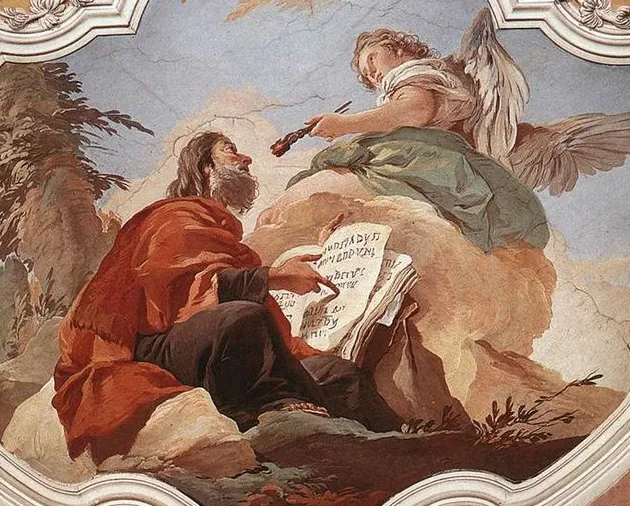
Epiphany / The appearing of the King:
- “O LORD, thou art my God” (Isaiah 25:1)
- Isaiah 24: the prophet Isaiah receives a revelation from the Lord about the day of judgement, and proclaims it.
- Isaiah 25: the prophet Isaiah answers this knowledge by turning to the Lord in prayer.
The great procession:
- The prophet Isaiah praises the Lord by exalting the works the Lord has done (Isaiah 25:1-5)
- Faithfulness (Isaiah 25:1)
- Upholding justice (Isaiah 25:2)
- “a stronghold to the poor, a stronghold to the needy in his distress, a shelter from the storm and a shade from the heat” (Isaiah 25:4)
The wedding feast / The great banquet:
- Banquet: “On this mountain the LORD of hosts will make for all peoples a feast ... of wine on the lees, of fat things (meat)” (Isaiah 25:6)
- Union: salvation → “He will swallow up death for ever, and the Lord GOD will wipe away tears from all faces, and the reproach of his people he will take away from all the earth” (Isaiah 25:8)
The prophecy of Zechariah: a prophecy of the Messiah
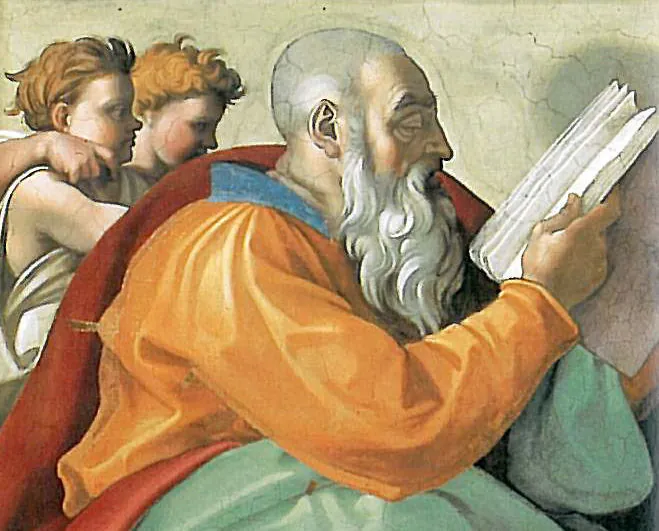
Epiphany / The appearing of the King:
- Zechariah 9:9 → Rejoice greatly, O daughter of Zion! Shout aloud, O daughter of Jerusalem! Lo, your king comes to you; triumphant and victorious is he, humble and riding on an ass, on a colt the foal of an ass.
The great procession:
- This king appears as a shepherd (11:4–14) who is rejected (11:8–13), valued at 30 shekels of silver (11:12), pierced (12:10), struck (13:7).
- But after that, the Lord will win:
- “On that day living waters shall flow out from Jerusalem” (14:8)
- “And the LORD will become king over all the earth” (14:9)
The wedding feast / The great banquet:
- All nations will take part in the liturgy of the feast of Tabernacles “year after year” (14:16)
- Banquet: a feast of 7 days (Leviticus 23:34), including animal sacrifices (Numbers 29:12-38) and wine (Deuteronomy 14:26)
- Union: the feast celebrates the Lord’s nearness after his deliverance (Leviticus 23:42-43). It is linked to the cycles of new creation, because it belongs to the harvest (Deuteronomy 16:13).
The prophecy of Malachi: the worship of the last days
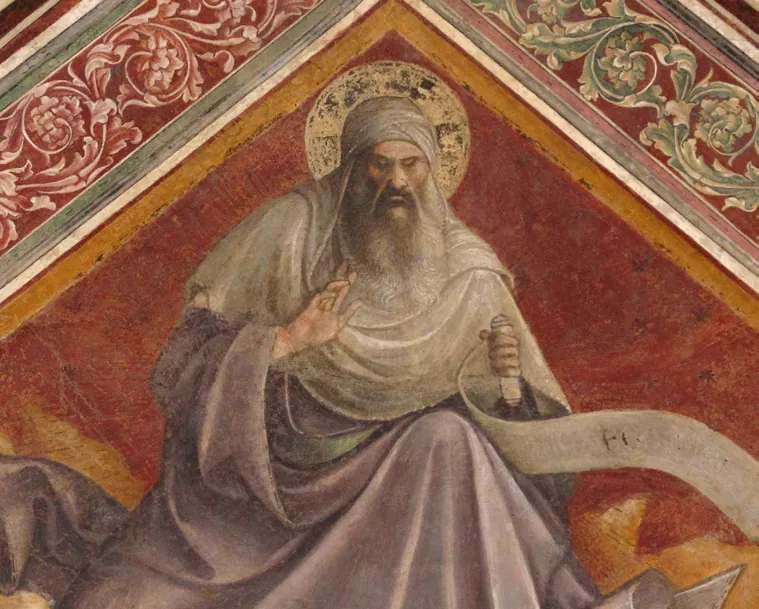
Epiphany / The appearing of the King:
- Malachi 1:1 → “The oracle of the word of the LORD to Israel by Malachi” → God appears as the Word
- Malachi 1:2 → “I have loved you,” says the LORD → God appears as Love.
The great procession & The wedding feast / The great banquet:
- The Lord tells of the future:
- Malachi 1:11 → “For from the rising of the sun to its setting my name is great among the nations, and in every place incense is offered to my name, and a pure offering; for my name is great among the nations, says the LORD of hosts.”
- Procession: as long as the earth turns, people of every nation will together offer praise & worship without ceasing, with incense and the perfect sacrifice (Jesus Christ in the Eucharist)
- The great wedding feast: a pure / perfect sacrifice → God can fully forgive man and restore an intimate relationship, as in the garden of Eden.
- The pure sacrifice is Jesus crucified in the year 33.
- The Catholic Church, every day in every corner of the world, from the rising of the sun to its setting, accesses the one same sacrifice and makes it present again through the sacrament of the Eucharist.