The Mass as Prayer
What prayer is, why not just pray on your own, why the Catholic Mass, what makes it special, and how it is structured.
Awaiting review A priest has not yet reviewed this article. Read it alongside the Catechism paragraphs it cites, and take questions to your parish.
“The Mass is prayer par excellence, the highest, the most sublime, and at the same time the most ‘concrete’ … The Mass is an encounter with the Lord.”
— Pope Francis
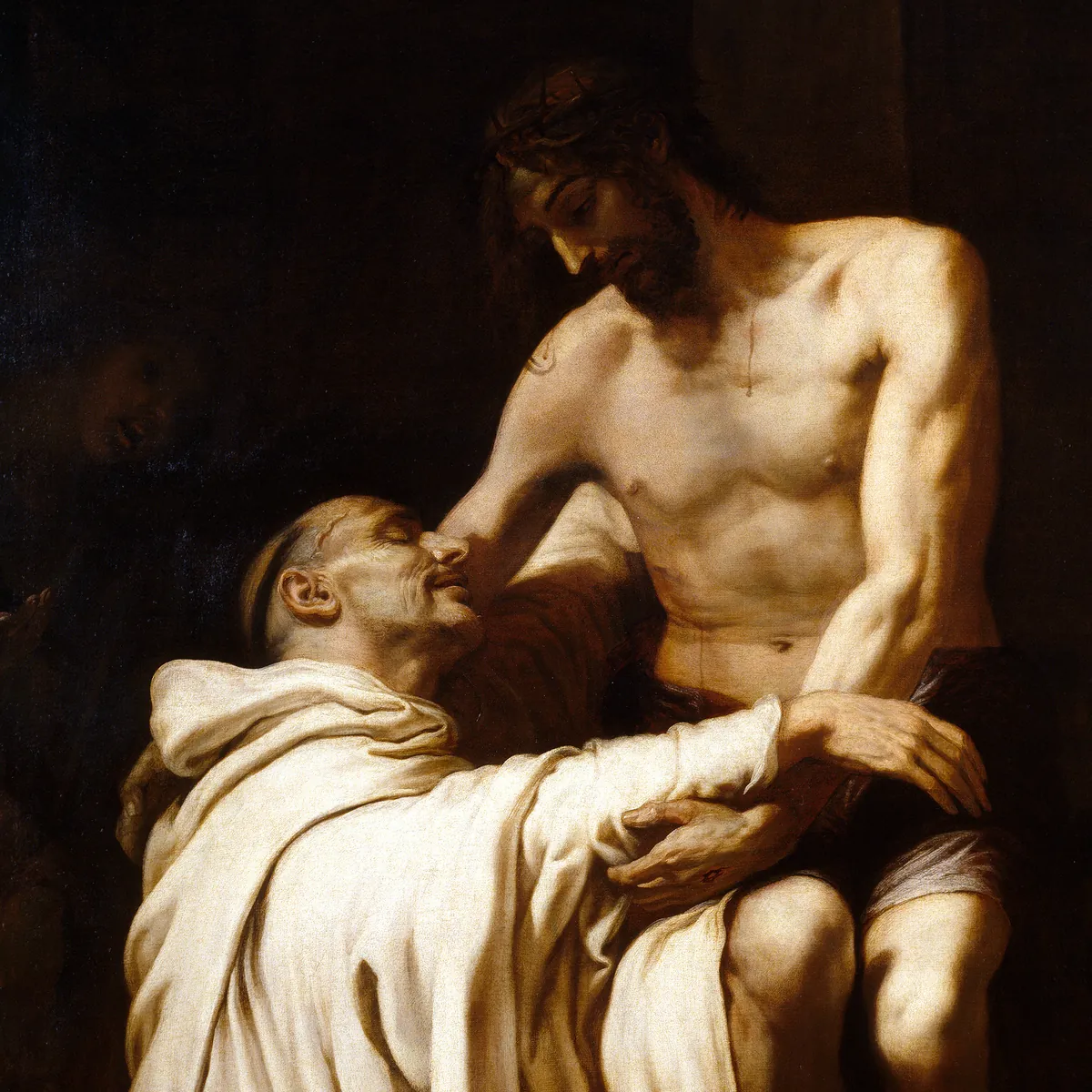
The highest expression of prayer is sacrifice, so the summit... the highest prayer is the Holy Mass, because in the Holy Mass the crucified Jesus himself is truly present
— Pope John Paul II
Q: What is prayer?
- Prayer is the raising of one’s mind and heart to God, or the requesting of good things from God (CCC 2559).
- When we pray, where do we speak from? From our pride and ego, or from the depths of a humble heart?
- Humility is the foundation of prayer, because “we do not know how to pray as we ought” (Romans 8:26)
- “The Spirit helps us in our weakness” (Romans 8:26)
- Before God, man is a beggar (St Augustine)
Q: Why not just pray on my own?
The philosophical answer
- Without others we mean nothing.
- Our name comes from our parents. Our education and our work are defined by who teaches and who employs us. Our existence as individuals is recognised when others recognise that we are there. If no one could see us except ourselves, we might as well be ghosts!
- But others cannot exist without individuals either, because “others” are made up of many individuals. Which comes first?
- This cannot be answered, unless there is an individual who embraces all those others: something that exists before everything exists: God.
- So a relationship of prayer directed to God is not entirely right if it lacks the quality of “others” that God himself has.
- Just as water is everywhere as moisture, yet only quenches thirst when it is gathered in one place to be drunk,
The biblical answer
- The priests, the prophets, the apostles and Jesus Christ wanted the Christian assembly to take part in the “work of God” together with others. (CCC 1069)
- The Mass, or liturgy, comes from the word leitourgia (λειτουργία), which means “service for the people” (CCC 1069)
- The word is found in several verses of Scripture (CCC 1070):
| Verse | Context | Conclusion |
|---|---|---|
| Hebrews 8:2 | The Lord Jesus Christ as the eternal high priest, “a minister (leitourgos) in the sanctuary” | Ministering, surely, to others. |
| Luke 1:23 | Zechariah (father of John the Baptist) went home after his time of service (leitourgias) as a priest. | Service in the Temple is surely to others |
| Acts 13:2 | Barnabas, Simeon, Lucius, Manaen and Paul were worshipping (leitourgountōn) | Surely, together |
| Romans 15:16 | Paul explains that he is a minister (leitourgon) of Christ Jesus to the Gentiles | The nations → many people / others |
| Romans 15:27 | Paul explains that the Gentile Christians’ contribution is a service (leitourgēsai) to the Jewish Christians | The contribution is meant to serve others |
| 2 Corinthians 9:12 | The service of the contribution | ^ |
| Philippians 2:17 | Paul explains that offering his life as a martyr is a service (leitourgēsai) to the Church. | Strengthening the faith of others |
Q: Why does it have to be the Catholic Mass? What’s wrong with just praise and worship, or just Bible study? What if the Catholic Mass isn’t for me?
- Of course singing and studying Scripture are good things. David sang; the Levitical priests explained Scripture to the assembly. Both of these are in the Mass too.
- It all comes back to its purpose
- The main idea behind the Catholic Mass is to prepare those who take part in it to become like the Lord Jesus.
- “It is no longer I who live, but Christ who lives in me.” (Galatians 2:20)
- The result it aims for is, like a husband and wife, to become the bride of Christ, one in heart and mind with Jesus Christ: to live a radical relationship with Love itself, so head over heels that we can easily say “For to me to live is Christ, and to die is gain.” (Philippians 1:21)
- To get there, the Catholic Church “plunges” her people into the story of salvation itself, so that they experience that “charismatic” encounter directly and personally.
- The Mass sets out this story of salvation in a structured way, taking its ideas from the Bible: the Old and New Testaments
- The Mass forms the faithful into righteous people, like a tree that grows and bears fruit in silence: “He is like a tree planted by streams of water, that yields its fruit in its season, and its leaf does not wither” (Psalm 1:3)
- In the end, the decision is in the reader’s hands. The Catholic Church can only offer a way that has been proven to produce saints.
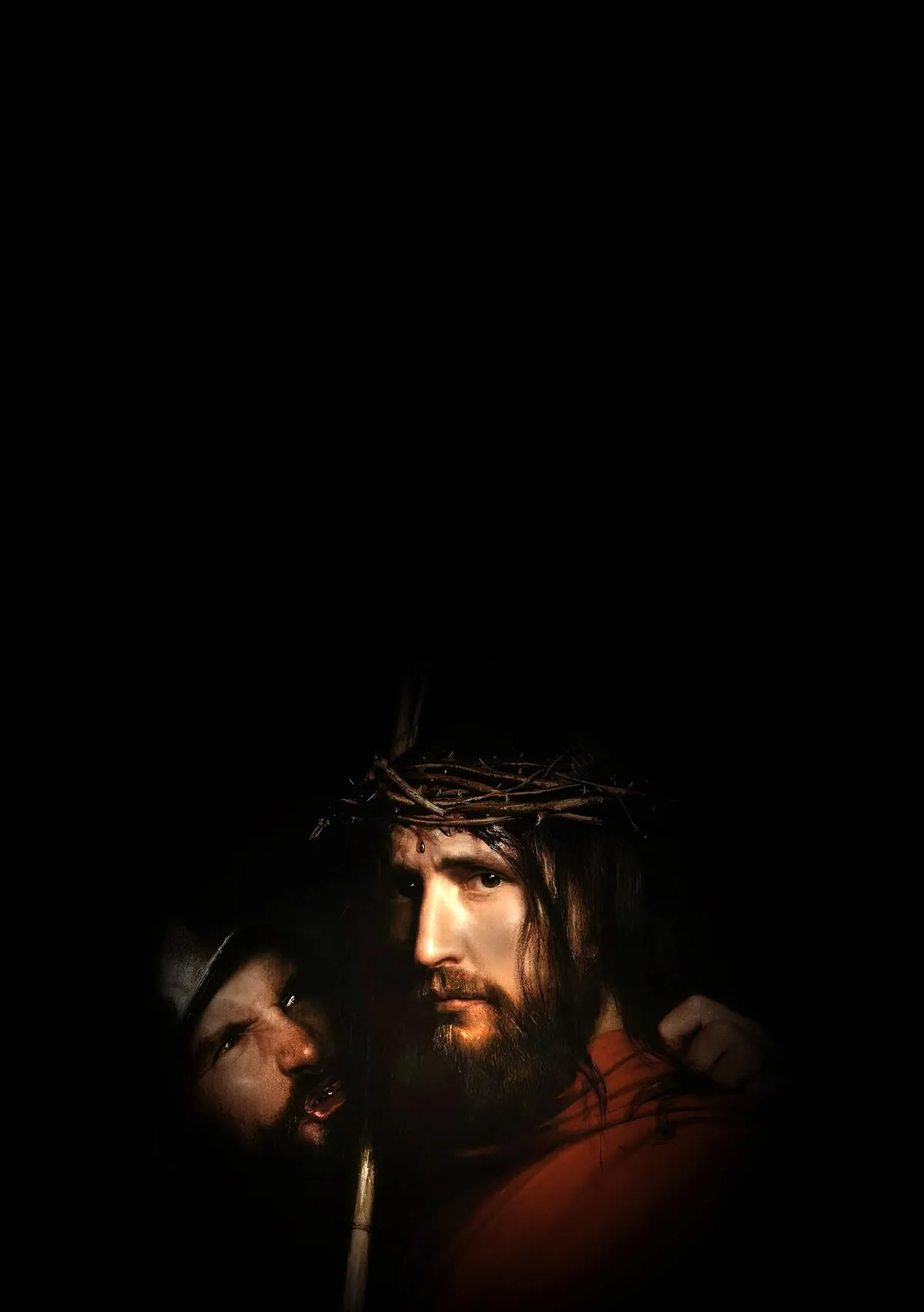
They say “The Mass is monotonous” “The Mass is boring” “The Mass is always the same”
Yes.
So are our sins: monotonous, boring and always the same to him.
Yet he still sees a jewel in us, even covered in sin.
Q: So what makes the Catholic Mass special?
- “Special” can mean “different from the others”. “Set apart from the others” in Hebrew is kadosh (קָדוֹשׁ), that is, holy.
- What makes the Catholic Mass holy is:
- The real presence of God himself in the Eucharist
- A liturgy founded first of all on God’s revelation, written (the Bible) and unwritten (Tradition):
- 2 Corinthians 5:19: “God was in Christ reconciling the world to himself, [...] and entrusting to us the message of reconciliation.”
- This book will not go into questions about the sources of revelation (e.g. Sola Scriptura, Sufficiency of Scripture, Tradition, etc.)
- If your heart cannot yet accept Tradition, for now it is enough to read the parts that discuss the Bible.
Q: What is the structure of the Catholic Mass?
- Introductory Rites
- Procession
- Entrance antiphon
- Penitential act
- Gloria
- Liturgy of the Word
- Readings & Responsorial Psalm
- Gospel acclamation
- Gospel
- Homily
- Prayer of the Faithful
- Liturgy of the Eucharist
- Offertory
- Eucharistic Prayer
- Communion Rite